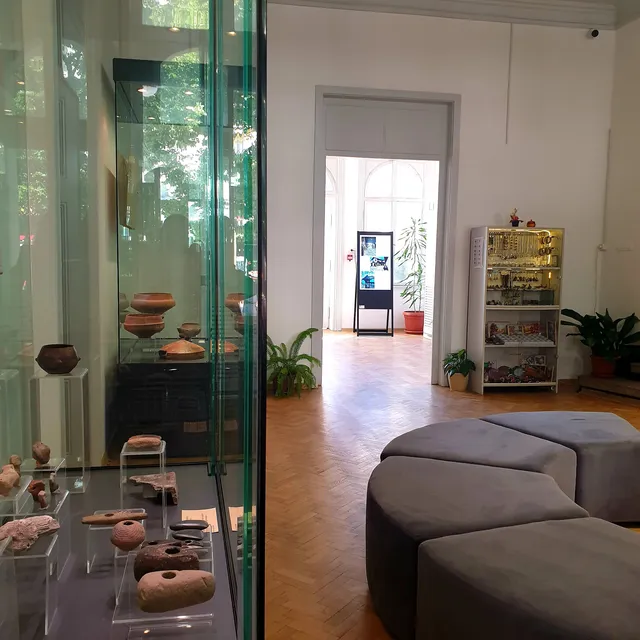
Spread across the first and second floors, the exhibition “Memory Through the Ages” presents original artifacts from the museum’s collection, some of which are of world significance. The items span from the Neolithic era to the end of the Second Bulgarian Empire and illustrate the life and culture of the people inhabiting the Sliven region.
The earliest traces of human presence in the area date back to the Neolithic period (7000–5000 BC), represented by cult figurines, stone hammers and adzes, as well as the priceless ceramic plate featuring the earliest known proto-writing in the world. From the Chalcolithic and Bronze Ages, the exhibition showcases clay vessels with characteristic shapes for the period, bronze axes, and a necklace made of wild boar tusks.
The third floor of the museum building hosts temporary exhibitions dedicated to various historical themes. As of September 2025, visitors can explore the exhibition “Jewelry Through the Ages,” featuring exceptionally valuable pieces from the collection of the Regional History Museum “Dr. Simeon Tabakov” – Sliven.
The museum complex includes the birthplace of the legendary revolutionary leader from Sliven, Hadzhi Dimitar, as well as the inn owned by his father, Hadzhi Nikola Asenov. Visitors are invited to explore a detailed exhibition dedicated to Hadzhi Dimitar and his comrade-in-arms Stefan Karadzha, featuring fascinating artifacts such as examples of firearms and cold weapons, photographs, and documents related to the heroic march of their revolutionary detachment in 1868.
The traditional interior has also been fully restored, including the room where Hadzhi Dimitar was born, the guest room, the mutvak (kitchen), and the typical Sliven wine cellar.
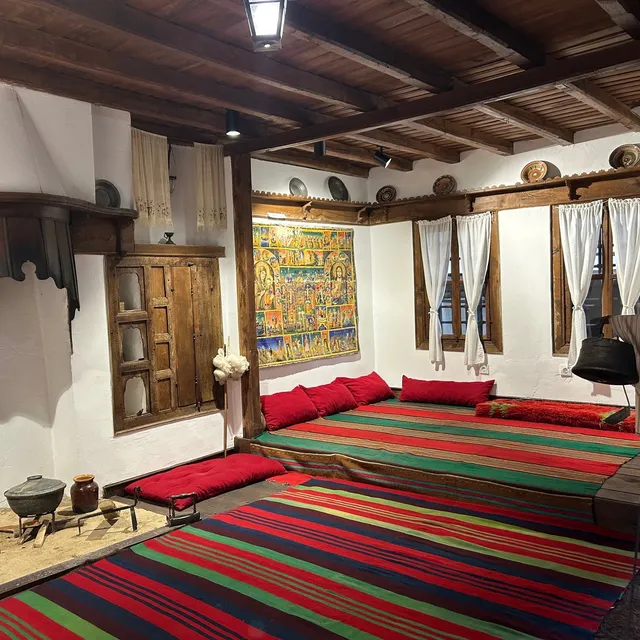
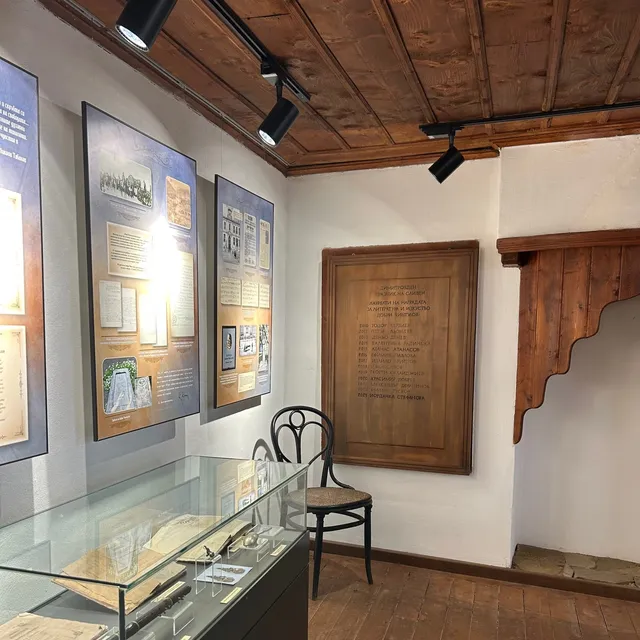
In the old Sliven neighborhood of Deli Balta stands the home where the prominent Bulgarian Revival poet, educator, and church activist Dobri Chintulov lived and worked until his death in 1886. We invite you to immerse yourself in the atmosphere of the period through the renewed photo-documentary exhibition, which features original belongings of the poet.
Displayed are books from his personal library, textbooks, and teaching materials that shed light on educational and community-center activities in Sliven. For our youngest visitors, we have also prepared a reconstruction of a mutual-learning classroom from the era of the Bulgarian National Revival.
Stepping into the spacious cobblestone courtyard—with its vibrant garden and the old wooden shed sheltering traditional farming tools—you immediately feel the revival-era spirit that permeates the entire architectural and ethnographic complex. The exhibition “Traditional Culture of the Sliven Region” presents the richness and distinctive character of local traditions, centered around calendar and family rituals, as well as customs accompanying traditional livelihoods. The display highlights key regional rites, paying special attention to ritual foods, ceremonial objects, and verbal incantations. A major emphasis is placed on the festive and ritual costumes from the Sliven area, whose authentic and unique elements reflect centuries-old traditions of handmade domestic craftsmanship, inherited and creatively refined over time.
The exhibition in the Arnautkina House, part of the museum complex since its opening in 1969, showcases the lifestyle of a typical urban Sliven family in the early decades of the 20th century. Displayed are both imported and Bulgarian-made furnishings— a bedroom set, nightstands, a sofa, armchairs, and a buffet. Although the house itself dates back to an earlier period, it harmoniously combines modern elements of urban life — such as the metal-frame bed in the bedroom — with older features like the hearth in the kitchen and the large wooden cupboards found throughout the rooms.
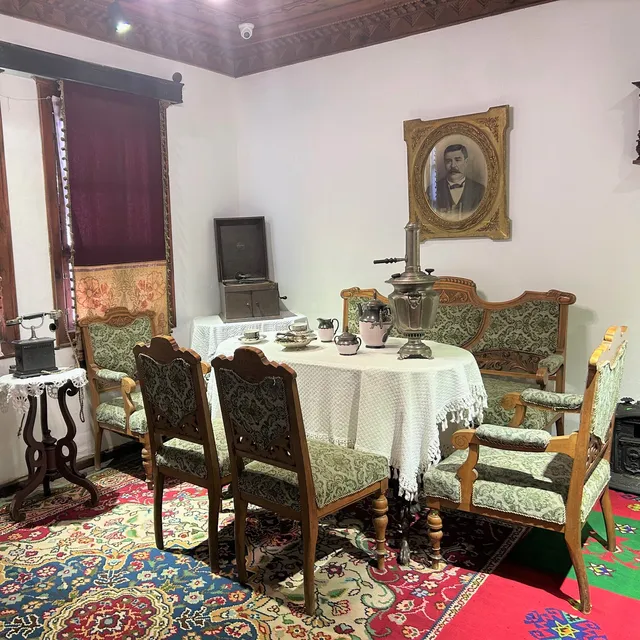
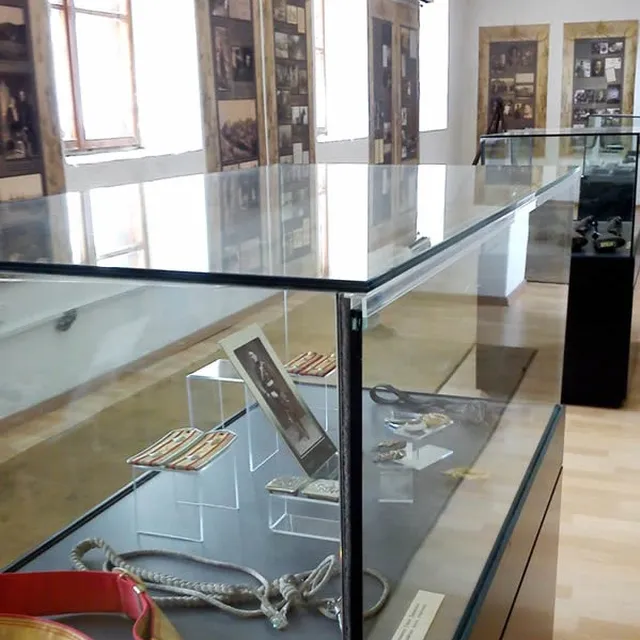
Temporarily closed to visitors.
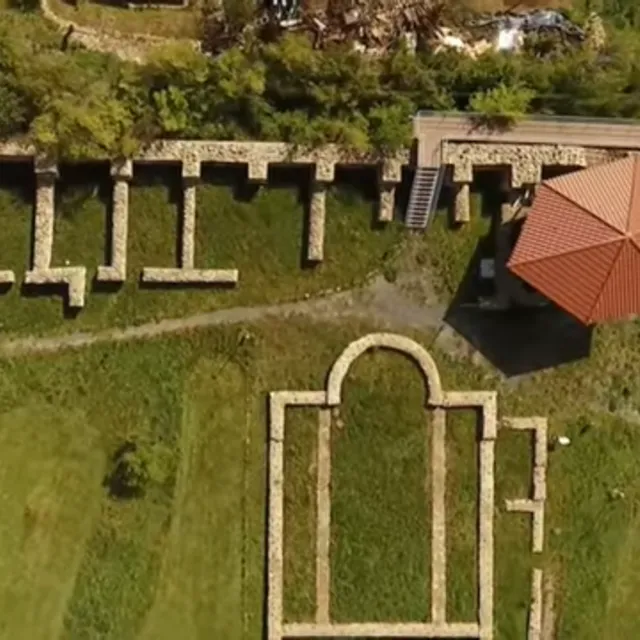
Among the most significant discoveries on the territory of Late Antique and Early Medieval Fortress of Tuida are a basilica with a baptistery, an administrative building, storage facilities, barracks, a grain depot (horreum), and part of the ancient water supply system. Particularly intriguing is the secret tunnel, likely used either for evacuation or for securing access to water. These findings reveal a well-organized internal structure and highlight the strategic and social importance of the fortress during the Late Antiquity and Early Middle Ages.
Today, Tuida is a modern archaeological site. Following extensive conservation and restoration, it has been adapted into a cultural and historical complex that provides opportunities for tourism, education, and cultural events.
Visitors can explore the authentic ruins, learn about the site’s rich history through exhibitions and guided tours, and take part in interactive programs, historical reenactments, and demonstrations of traditional crafts. The complex also hosts a variety of events—festivals, concerts, role-playing activities, and educational initiatives for both children and adults.
As part of the Regional History Museum – Sliven, Tuida Fortress combines the preservation of cultural heritage with a contemporary mission: to make history accessible, engaging, and inspiring for everyone.