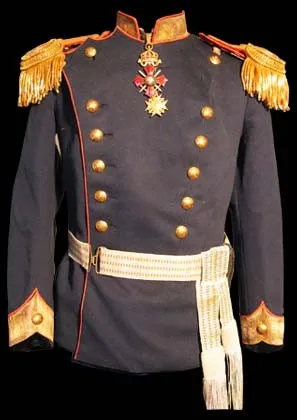
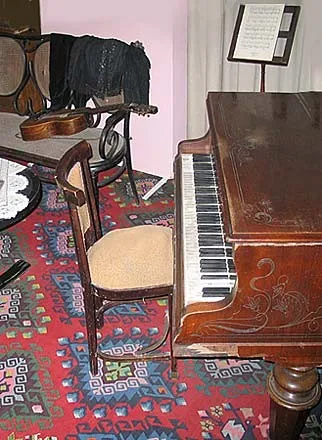
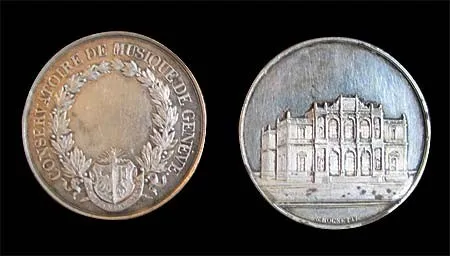
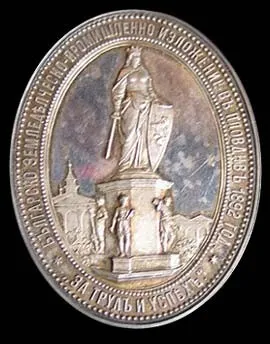
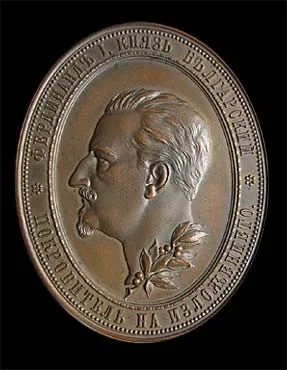
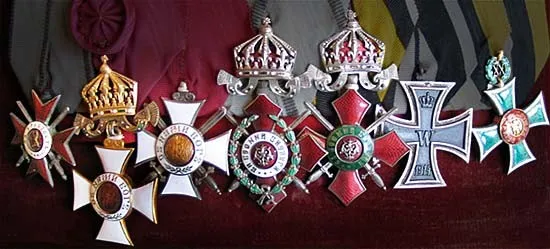
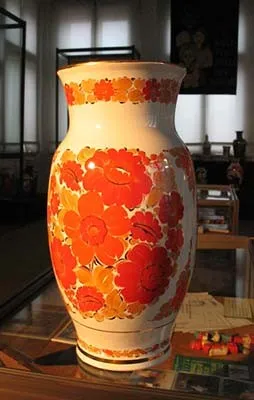
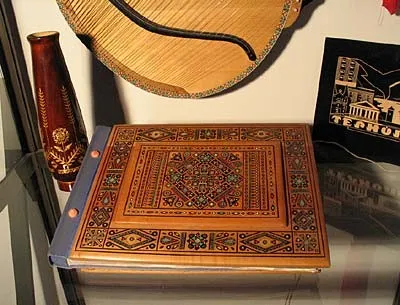
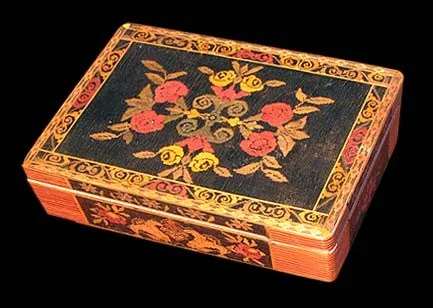
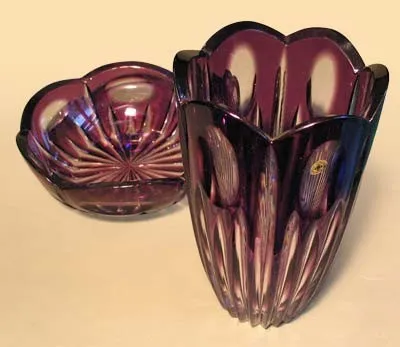
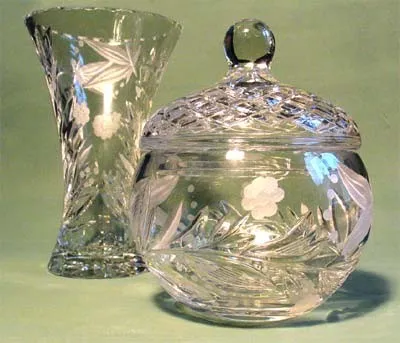
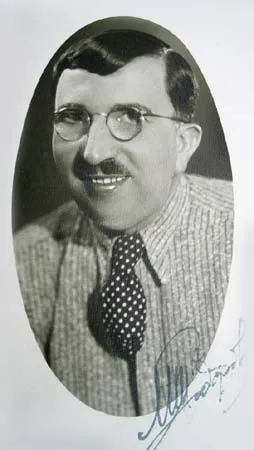
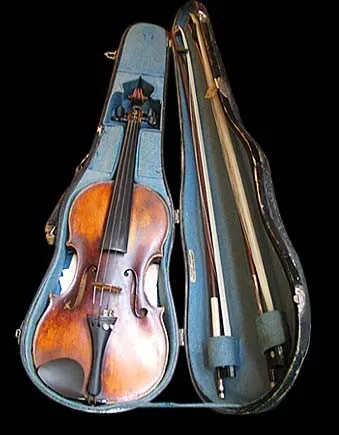
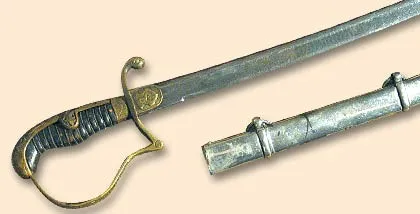
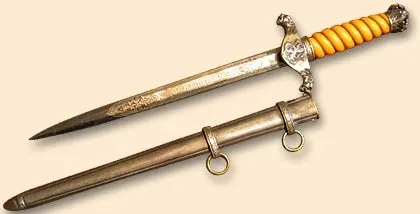
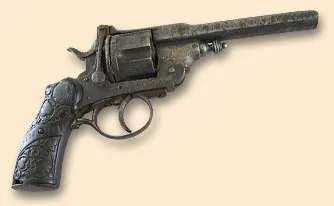
The department is structured into two sections – “Modern Bulgarian History” (1885–1944) and “Contemporary Bulgarian History” (from 1944 to the present). The Modern Bulgarian History section studies the economic, socio-political, cultural, and educational development of Sliven and the region during the period in question. In recent years, the focus has been directed toward researching the activities of the local municipal authorities aimed at transforming Sliven into a commercial and industrial center; the achievements of local industrialists and craftsmen in their efforts to integrate the city into European economic practices; and the distinctions awarded to local manufacturers at international fairs and exhibitions. The section maintains the following collections: photographs, documents, personal belongings, weapons, orders and medals, badges, flags, seals and printing blocks, newspapers and books published in Sliven, as well as musical instruments. The Contemporary Bulgarian History section studies and promotes the history of the Sliven region from the end of the Second World War onwards. As a result of its collecting activities, the department has assembled and preserved in its main holdings original artifacts, photographs, and documents arranged into the following collections: Two specialists work in the Modern and Contemporary Bulgarian History Department. In their research and public activities, they maintain close contacts with local historians, representatives of notable Sliven families, war veterans, cultural figures and artists, and public activists. The department’s extensive collections form the foundation of the museum specialists’ active and diverse work. They organize and participate in national and regional scholarly events, prepare academic and popular publications and exhibition documents, curate permanent and temporary exhibitions within the museum and beyond, provide reference services and consultations, and take part in cultural and educational activities.