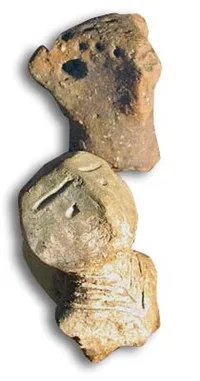
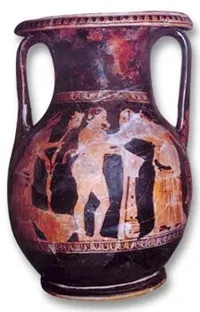
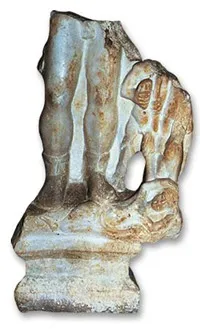
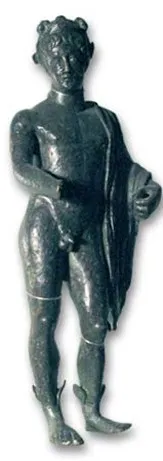
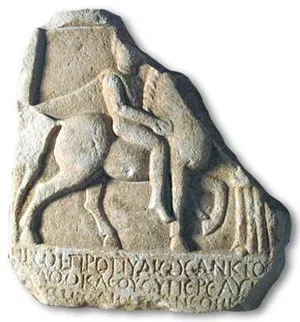
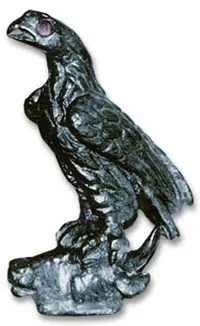
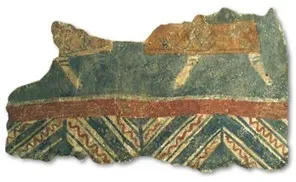
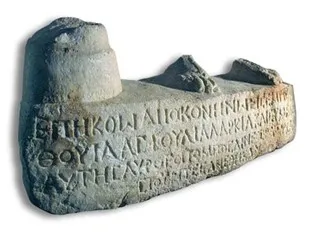
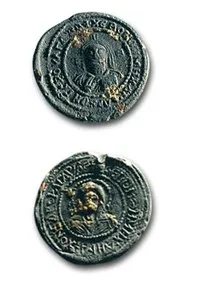
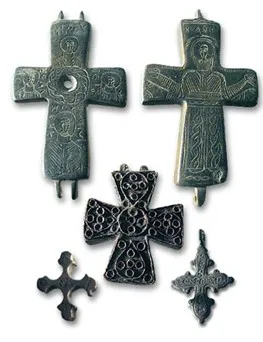
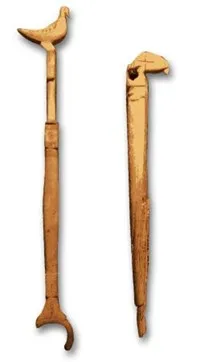
The Archaeology Department houses exhibits from the period of the 7th millennium BC to the end of the Second Bulgarian Empire. They provide an opportunity to trace the material and spiritual culture of the population of the region. They are grouped into the following collections: Prehistoric tools of stone, flint and horn, including stone axes, hammers and adzes, flint scrapers, hoes and antler awls. Anthropomorphic and zoomorphic clay idol sculptures. The collection of clay vessels is large, diverse in form and purpose - prehistoric, Hellenistic, Roman, early Byzantine and medieval. Art is represented by a collection of stone sculpture, the most characteristic of which are: a torso of the god Asclepius, a statuary group of the god Dionysus and his retinue, inscriptions, votive tablets and a collection of bronze sculpture in which a statue of the god Hermes stands out. Metal tools from the era of antiquity and the Middle Ages. A collection of numerous diverse bone objects found during excavations of the late antique and medieval fortress Tuida, which are evidence of the developed processing of bone and horn here. A rich numismatic collection of Hellenistic, Roman, Byzantine, medieval and Ottoman coins. The number of seals is significant, of which the most valuable is the molybdenum of Prince Boris I. A collection of antique and medieval jewelry. The department employs two archaeologists who organize and participate in archaeological excavations, field studies, scientific conferences, scientific readings, round tables, and other scientific events. They prepare scientific publications for specialized editions, Bulletin of the Museums in Southeast Bulgaria, the "Archaeology" journal, as well as for independent publications of the museum.